.svg)
Building Brands Across Africa: One Continent, 54 Different Markets

.png)
Sara Salim
Founder, Managing Partner
Follow:

Building Brands Across Africa: One Continent, 54 Different Markets
Few regions present as much opportunity—and as much complexity—as Africa.
Over the past decade, international interest in the continent has accelerated considerably. Investors are increasingly looking towards African markets for long-term growth opportunities, multinational corporations are expanding their presence, technology companies are scaling across borders, and governments around the world are strengthening trade and economic partnerships with African nations.
Yet despite this growing interest, one of the most common mistakes made by organisations entering the continent remains remarkably consistent.
They approach Africa as though it were a single market.
The tendency is understandable. Africa is often discussed collectively in global economic forecasts, development strategies, investment reports, and business media. Headlines frequently refer to "the African consumer", "the African market", or "Africa's growth story" as though these concepts represent a single audience with shared characteristics and behaviours.
In reality, Africa is arguably one of the most diverse economic regions in the world.
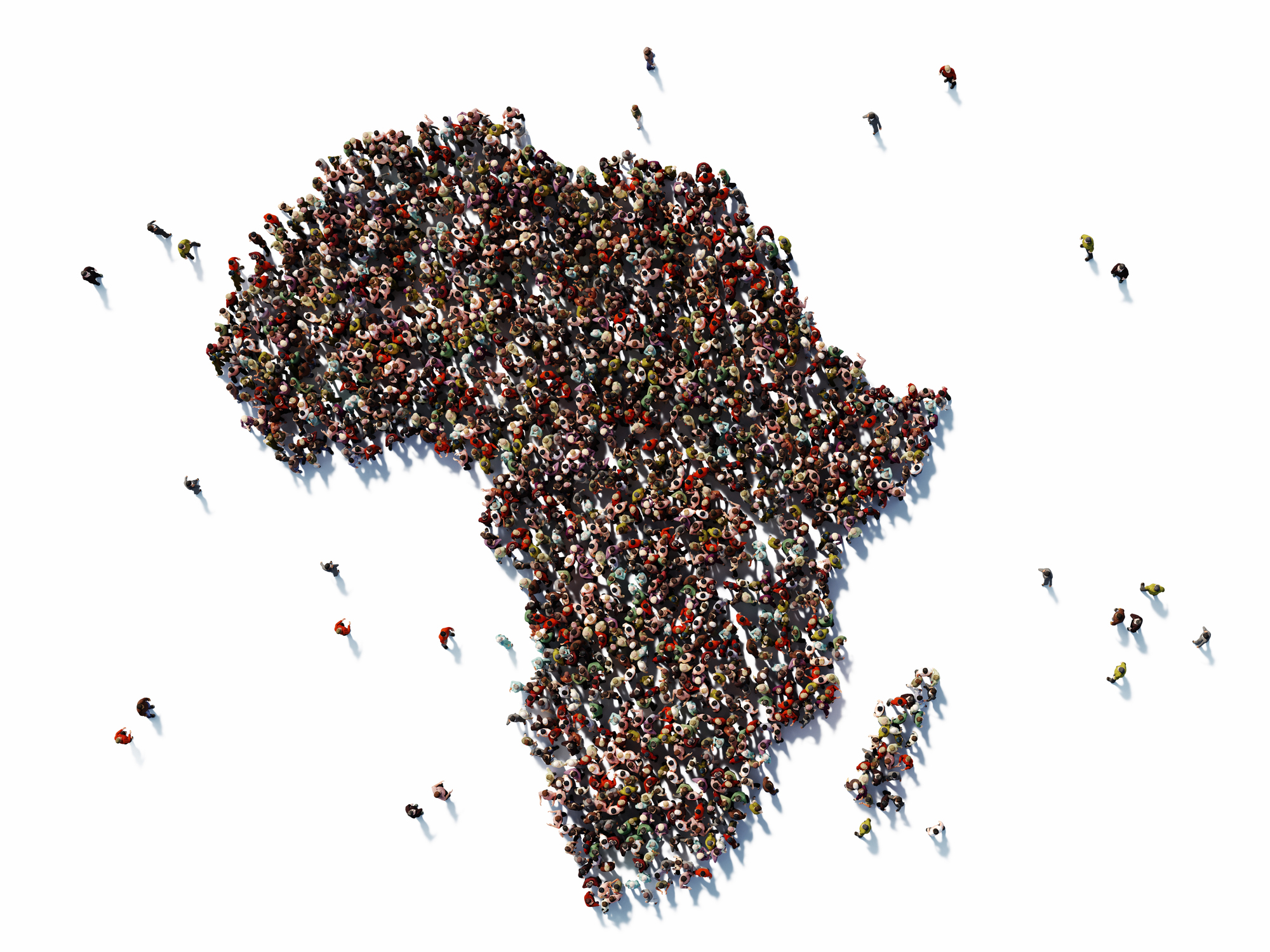
The continent comprises 54 countries, over 1.4 billion people, thousands of languages, multiple legal systems, vastly different regulatory environments, and economies operating at different stages of development. While there are certainly common trends shaping Africa's future, the reality on the ground is often far more nuanced than international observers assume.
For businesses looking to build meaningful and sustainable growth across the continent, understanding this distinction is not simply a matter of cultural awareness. It is a commercial imperative.
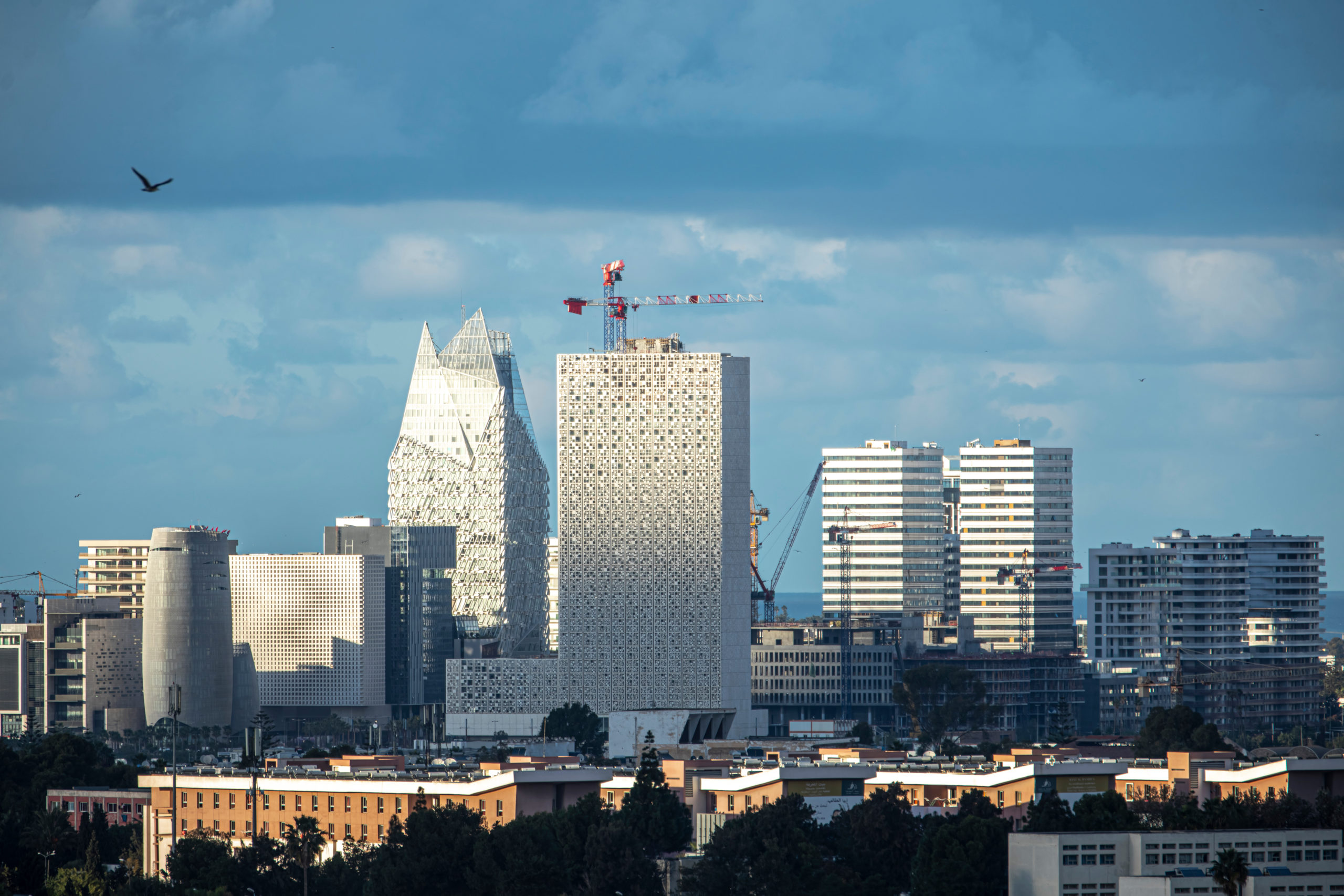
One only needs to compare a handful of African markets to appreciate the scale of the differences involved. South Africa remains one of the continent's most sophisticated financial centres, with highly developed capital markets, mature corporate structures, and a complex consumer landscape. Kenya has established itself as a leader in digital innovation and financial inclusion, particularly through the widespread adoption of mobile money and fintech solutions. Nigeria offers extraordinary scale and entrepreneurial dynamism, supported by a population expected to continue growing significantly over the coming decades. Morocco has pursued a strategy centred on industrialisation, international trade, infrastructure development, and its position as a gateway connecting Africa to Europe and the Middle East.
Each of these markets presents compelling opportunities. Each also requires a different approach.
What resonates with consumers in Casablanca may not resonate with audiences in Lagos. A communications strategy designed for Nairobi may require significant adaptation before it can succeed in Johannesburg. Even sectors that appear similar on the surface often operate within very different regulatory, cultural, and economic contexts.
This complexity becomes even more apparent when organisations begin to think about communication and brand building.
Many businesses continue to view localisation primarily as a language exercise. Marketing materials are translated, websites are adapted, and campaigns are adjusted to suit local audiences. While language is undoubtedly important, effective localisation extends far beyond translation.
Culture influences how trust is built. It shapes purchasing behaviour, decision-making processes, attitudes towards institutions, and expectations of brands. It influences which messages resonate, which values matter, and which stories feel authentic.
The organisations that perform best across African markets tend to understand this instinctively. Rather than imposing a uniform message across multiple countries, they invest time in understanding local realities while maintaining a broader strategic vision.
This balance between consistency and adaptability is becoming increasingly important as Africa's economies become more interconnected.
The implementation of the African Continental Free Trade Area (AfCFTA) has understandably generated significant excitement among investors and policymakers. By creating the world's largest free trade area by number of participating countries, the agreement has the potential to strengthen regional integration, increase intra-African trade, and create new opportunities for businesses operating across borders.
The long-term implications could be transformative.
Greater regional trade has the potential to strengthen supply chains, reduce barriers to market entry, encourage industrial development, and create larger addressable markets for businesses. Combined with continued urbanisation, increasing digital adoption, and demographic growth, these developments are helping create one of the most significant economic opportunities of the twenty-first century.
"One of the greatest misconceptions about Africa is that it can be understood as a single market. The continent's diversity is not a challenge to overcome but a competitive advantage to embrace. The organisations that succeed here are those that combine continental ambition with genuine local understanding."
However, greater integration should not be mistaken for uniformity.
A more connected Africa will not necessarily become a more homogeneous Africa.
In many ways, the opposite may prove true.
As markets develop, local identities, consumer expectations, and cultural distinctions often become even more important. Consumers increasingly expect brands to understand their realities rather than simply replicate global strategies.
This is particularly relevant for organisations operating across multiple African markets. Success increasingly depends on the ability to combine continental ambition with local relevance. Businesses must think beyond market entry and consider how they build trust, establish credibility, and create value within individual communities and ecosystems.
The same principle applies to investors, institutions, and policymakers.
Africa's future growth will undoubtedly be shaped by continental trends such as urbanisation, digital transformation, infrastructure development, entrepreneurship, and regional integration. Yet the practical reality of that growth will continue to be experienced locally.
The businesses that recognise this distinction will be better positioned to navigate complexity, identify opportunities, and build sustainable competitive advantages.
Those that continue to view Africa through a single lens risk misunderstanding one of the continent's greatest strengths.
Because Africa's diversity is not an obstacle to growth.
It is one of the reasons growth exists in the first place.
The continent's future will not be defined by a single story, a single market, or a single consumer. It will be shaped by hundreds of millions of individual experiences, aspirations, and opportunities unfolding across dozens of economies simultaneously.
For organisations willing to understand that complexity, the opportunities are immense.
For those looking for simple answers, Africa will continue to be difficult to understand.
And perhaps that is exactly the point.
%20(2).svg)