.svg)
Morocco: Africa's Gateway to Europe, the Middle East, and Beyond

.png)
Sara Salim
Founder, Managing Partner
Follow:

Morocco: Africa's Gateway to Europe, the Middle East, and Beyond
For much of the past two decades, conversations around Africa's economic growth story have tended to focus on the continent's largest markets. Nigeria's scale, South Africa's financial sophistication, Kenya's technology ecosystem, and Egypt's strategic position have understandably attracted significant attention from investors, multinational corporations, and development institutions alike.
Yet quietly, and often outside of the spotlight, Morocco has been pursuing a different strategy.
Rather than competing solely on market size, Morocco has positioned itself as a connector — a bridge between Africa, Europe, the Middle East, and increasingly, global capital markets. Through sustained investment in infrastructure, industrial development, trade partnerships, renewable energy, and regional integration, the Kingdom has established itself as one of the continent's most strategically important business hubs.
Today, as businesses and investors search for efficient entry points into African markets while navigating an increasingly complex global economy, Morocco's role is becoming harder to ignore.
The Advantage of Geography and What Morocco Has Done With It
Geography alone does not create economic success. Many countries benefit from strategic locations without fully capitalising on them.
Morocco's achievement lies not in where it is situated, but in how it has leveraged its position.
Located just 14 kilometres from Spain at the Strait of Gibraltar, Morocco sits at the intersection of some of the world's most important trade routes. It provides direct access to European markets while maintaining deep historical, cultural, and commercial ties across Africa and the Middle East.
Successive governments have recognised this advantage and invested heavily in transforming geography into economic infrastructure.
Perhaps no project symbolises this ambition more clearly than Tangier Med. Now recognised as one of the largest ports in both Africa and the Mediterranean region, Tangier Med has become a critical logistics platform connecting more than 180 ports worldwide. Its development has significantly strengthened Morocco's ability to facilitate trade, attract foreign investment, and position itself as a manufacturing and export hub serving multiple continents.
The port's success has also contributed to the growth of surrounding industrial ecosystems, attracting major international manufacturers and supporting Morocco's broader industrialisation strategy.
The result is a country that is no longer simply a transit point between regions but an increasingly important platform for regional and global business operations.
Building an Economy Designed for Diversification
One of Morocco's most notable economic achievements has been its commitment to diversification.
While many emerging markets remain heavily dependent on a limited number of industries or commodities, Morocco has systematically expanded its economic base through targeted investment and long-term planning.
Today, the country has established competitive positions across a range of sectors, including automotive manufacturing, aerospace, renewable energy, logistics, agriculture, tourism, financial services, and technology.
The automotive sector provides a particularly striking example. Morocco has emerged as one of Africa's leading automotive manufacturing hubs, supplying vehicles and components to international markets and attracting major global manufacturers. The country's integrated industrial zones, infrastructure investments, and proximity to European markets have made it an increasingly attractive destination for industrial production.
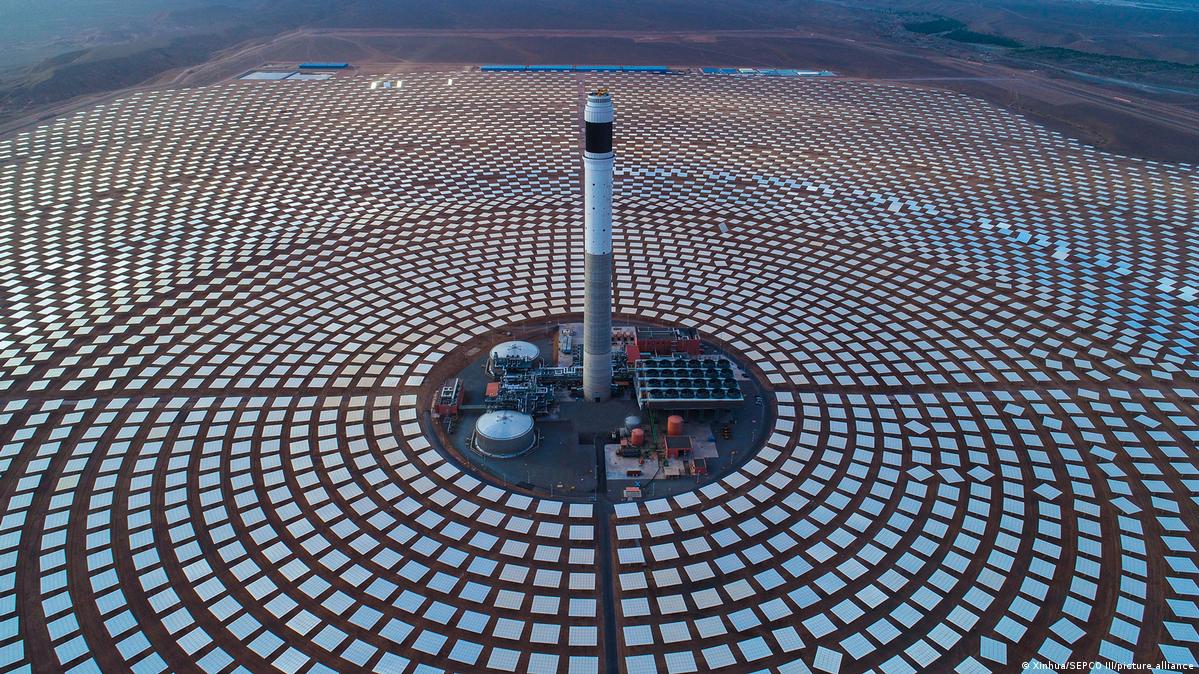
At the same time, Morocco has invested heavily in renewable energy, positioning itself as a regional leader in sustainability and energy transition. Projects such as the Noor Ouarzazate Solar Complex have demonstrated the country's ambition to become a major player in clean energy, supporting both domestic energy security and broader climate objectives.
This diversified approach has helped strengthen economic resilience while creating opportunities across multiple sectors, reducing dependence on any single source of growth.
Morocco's Expanding Role Across Africa
Morocco's importance extends beyond its domestic economy.
Over the past decade, Moroccan businesses and institutions have significantly expanded their presence across the African continent, reflecting a broader strategy of regional integration and economic partnership.
Moroccan banks, telecommunications companies, insurance providers, and industrial groups have established operations across numerous African markets, particularly in West and Central Africa. This expansion has helped strengthen commercial ties while positioning Morocco as a key intermediary between international investors and African opportunities.
The country's return to the African Union in 2017 further reinforced its commitment to continental engagement, while its participation in initiatives linked to regional trade and investment continues to support deeper economic integration.
This growing continental footprint is particularly significant at a time when Africa's economic landscape is undergoing rapid transformation.
The implementation of the African Continental Free Trade Area (AfCFTA), increasing urbanisation, rising consumer demand, digital transformation, and infrastructure development are creating new opportunities across sectors and geographies.
For businesses seeking exposure to these trends, Morocco offers something increasingly valuable: proximity to African growth markets combined with a relatively mature business environment and international connectivity.
Why International Capital Is Paying Attention
The growing interest from international investors, including those from the Gulf region, reflects a broader recognition of Morocco's strategic value.
In recent years, Gulf sovereign wealth funds, institutional investors, and private sector groups have increased their engagement with Morocco, attracted by a combination of political stability, infrastructure quality, economic diversification, and long-term growth potential.
This interest is not solely focused on Morocco itself. Rather, many investors view the country as a platform through which they can access opportunities across the wider African continent.
The logic is compelling.
As global investors seek exposure to Africa's growth story, they are increasingly looking for markets that offer both opportunity and predictability. Morocco's regulatory environment, trade relationships, financial infrastructure, and strategic location help address many of the concerns traditionally associated with cross-border expansion into emerging markets.
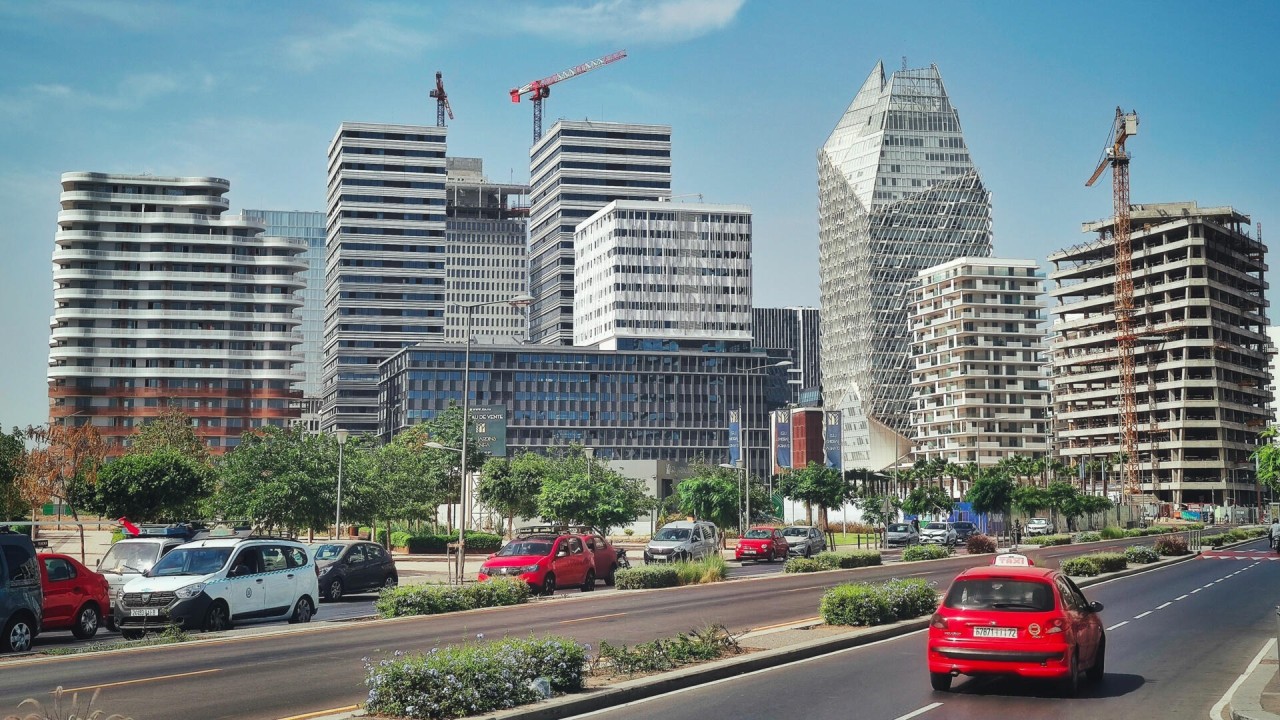
The country's preparations for the 2030 FIFA World Cup, which it will co-host alongside Spain and Portugal, are expected to accelerate infrastructure investment further, creating additional opportunities across transport, tourism, real estate, technology, and related sectors.
Taken together, these developments reinforce Morocco's position as a long-term strategic destination rather than a short-term investment story.
"As a Moroccan and an African, I've always believed that the continent's greatest opportunities lie not only in its resources or demographics, but in its ability to connect markets, people, and ideas. Morocco's emergence as a gateway to Africa demonstrates what is possible when long-term vision, strategic investment, and international collaboration come together. The challenge now is not convincing the world that opportunities exist in Africa, but ensuring businesses are positioned to participate in them."
The Importance of Narrative in Economic Growth
Yet while infrastructure, policy, and investment remain critical, there is another factor that is often overlooked in discussions about economic development and international business expansion: narrative.
Countries, like companies, compete not only on fundamentals but also on perception.
Investment decisions are influenced by confidence.
Partnerships are built on trust.
Markets are shaped by how opportunities are communicated and understood.
Morocco's success over the past two decades has not simply been the result of infrastructure projects or economic reforms. It has also been supported by a clear and consistent narrative about its role within the global economy — a narrative centred around connectivity, stability, openness, and ambition.
For businesses operating across Africa, there is an important lesson here.
Growth is not solely about entering new markets. It is about establishing credibility within them.
The organisations that succeed are often those that combine strong fundamentals with clear positioning, effective communication, and a deep understanding of the environments in which they operate.
Looking Ahead
Africa's growth story is entering a new phase.
Driven by demographic expansion, technological adoption, urbanisation, regional integration, and increasing global interest, the continent is expected to play an increasingly important role in the future of the global economy.
Within this context, Morocco's position appears particularly significant.
Its ability to connect markets, attract investment, facilitate trade, and support regional expansion places it at the centre of many of the conversations shaping Africa's future.
For investors, businesses, and institutions looking toward the continent, Morocco is no longer simply a gateway.
It is becoming a strategic platform from which to engage with one of the most dynamic economic regions in the world.
And as Africa's next chapter continues to unfold, Morocco is likely to play a far greater role in shaping it than many observers currently realise.
%20(2).svg)